13 Best Apps for Deaf and Hard of Hearing People (2026)
The 13 best apps for Deaf and hard of hearing users in 2026: captioned calling, live transcription, sound alerts, and more. Free and paid options compared.


The 13 apps Deaf and hard of hearing users rely on most in 2026, grouped by the situations where they actually help.
Jump to an app:
- Nagish — Captioned phone calls
- Nagish Live Transcribe — In-person conversations
- FaceTime — Video communication
- Sound Notifications (Android)
- Boostlingo — Remote interpreters
- Otter.ai — Meeting transcripts
- Voice Memos & Notes (iOS)
- Recorder (Android) — Transcribed voice recordings
- Google Meet — Captioned video meetings
- Zoom — Video meetings at scale
- Marco Polo — Asynchronous video messages
- Shazam — Song ID + lyrics
- Sound Amplifier — Audio clarity booster
Plus three honorable mentions, a how-to-choose guide, and the most common questions.
Best Apps for Deaf and Hard of Hearing Phone Calls & Conversations
1. Nagish — Captioned Phone Calls
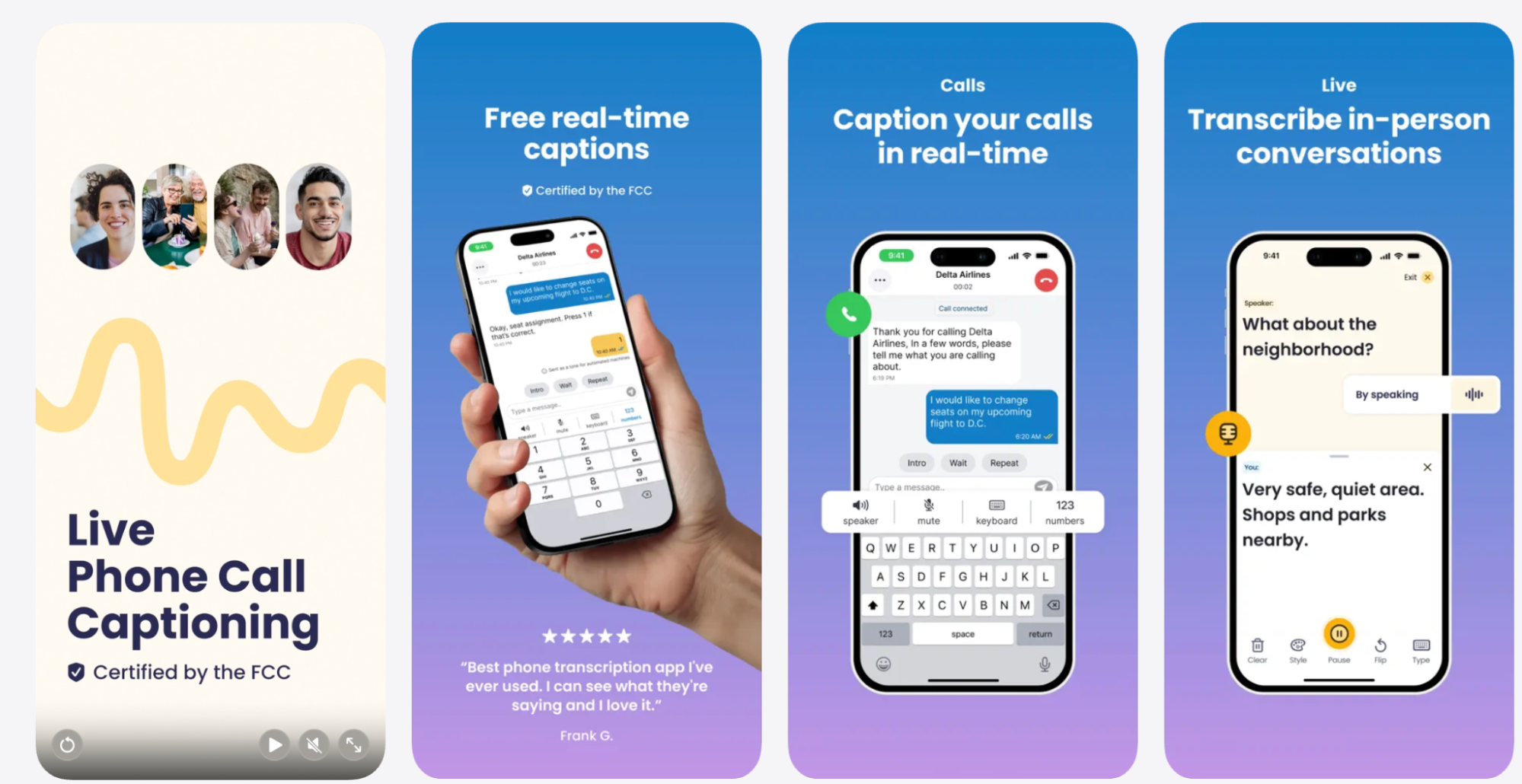
Best for: making and receiving phone calls with live captions.
Nagish turns any phone call into a text conversation in real time. One person speaks, the other types without any special phone, no third-party operator, and no cost for eligible users. It's FCC-certified as an approved IP relay and IP CTS services, so it's free under the FCC’s TRSprogram. Download the iOS app here and the Android version here.
Key features:
- Real-time AI captions (no human listening in)
- Keep your current phone number
- Save, search, and share past transcripts
- Custom voicemail greeting
- Choose to type or speak your side
- Caller ID, profanity filter, light/dark mode
- Demo call mode to test features before using them
- Video tutorials in ASL and spoken English
2. Nagish Live Transcribe — In-Person Conversations

Best for: restaurants, appointments, coworker chats — any face-to-face conversation.
Live Transcribe comes free with Nagish. Hold up your phone and nearby speech appears as text instantly. Flip mode lets two people share one screen across a table. Nagish Live is available for free when you download the Nagish app.
Key features:
- Fast, real-time transcription
- Ad-free
- Adjustable font size
- Flip mode for shared viewing
- Option to type responses
3. FaceTime — Video Communication

Best for: signed conversations and reading facial cues.
For ASL users and anyone who benefits from facial expressions and lip reading, high-quality video matters. FaceTime keeps up with fast sign and offers live captions on supported devices and in supported languages. Download FaceTime here.
Key features:
- Live captions (availability varies by language and iOS version)
- SharePlay and screen sharing
- Group calls up to 32 people
Best Deaf and Hard of Hearing Apps for Sound Awareness
4. Sound Notifications (Android)

Best for: knowing when the doorbell rings, the smoke alarm sounds, or a baby cries.
Google's Sound Notifications listens for important environmental sounds and sends a visual alert to your phone or watch.
Detects
- Doorbells and knocking
- Smoke and fire alarms
- Sirens
- Babies crying
- Appliances (microwave, dishwasher, washing machine)
- Running water, dogs barking
Accuracy depends on mic quality and background noise.
Best Deaf and Hard of Hearing Apps for Work
5. Boostlingo — Remote Interpretation
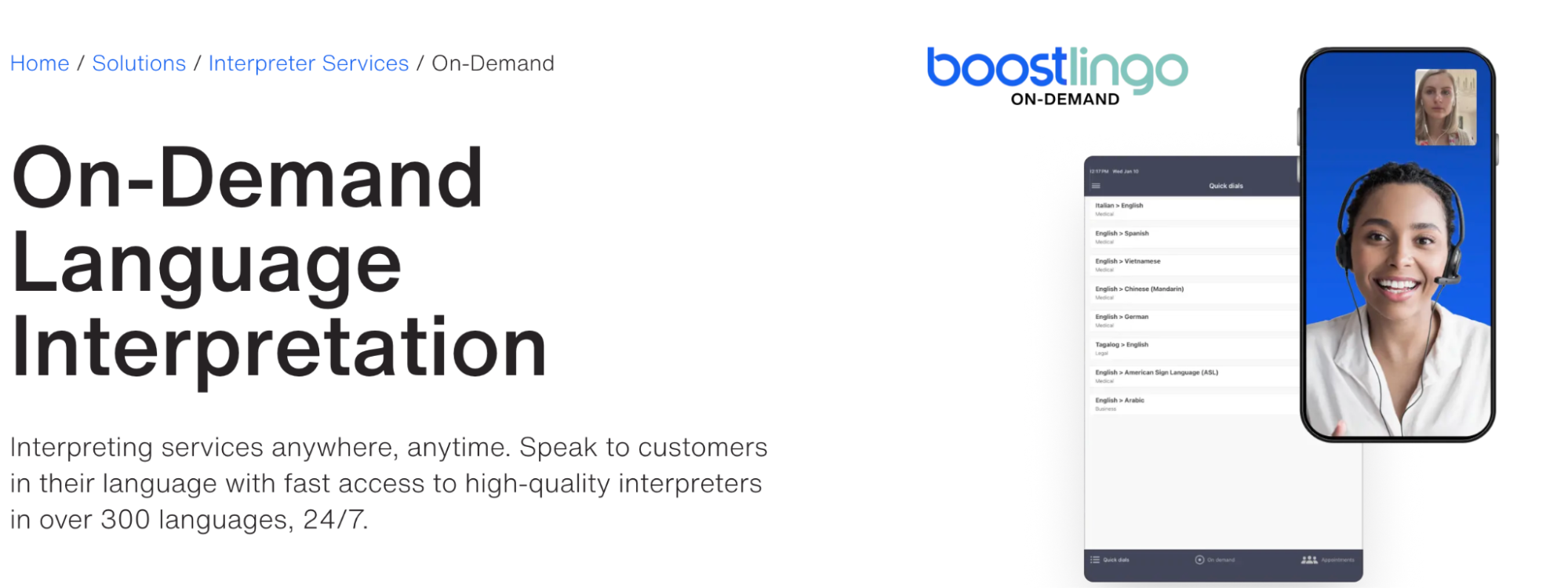
Best for: medical appointments, legal conversations, and other high-stakes meetings.
Boostlingo connects you with an on-demand video remote interpreter (VRI), including ASL. Useful any time auto-captions aren't accurate enough and you need a real person in the loop.
Download the app for iOS or Android.
6. Otter.ai — Meeting Transcripts

Best for: long meetings you want to review and search later.
Otter.ai joins your meetings and produces a live, searchable transcript with highlights, summaries, and speaker labels. Download the app for iOS or Android to record and transcribe.
Key features
- Live captions during calls
- Auto-summaries of key decisions
- Searchable archive
- Free tier; paid plans for more minutes
7. Voice Memos & Notes (iOS)

Best for: capturing reminders, appointment details, and quick info on the fly.
Already on your iPhone. Voice Memos now automatically transcribes recordings, and Notes syncs across your devices for lists, names, and addresses you want to revisit later.
8. Recorder (Android)

Best for: transcribing lectures, interviews, and long recordings.
Google's Recorder auto-transcribes and auto-labels your recordings (speech, music, applause) so you can jump straight to the parts that matter. It also supports quick summaries. Download the app here.
9. Google Meet - Captioned Calls
Best for: school, remote work, and meetings inside the Google ecosystem.
Google Meet offers live captions in 30+ languages, and post-meeting transcripts on Workspace plans. Captions are especially useful in group meetings with overlapping speakers or variable audio quality. Download Google Meet for iOS or Android.
10. Zoom — Video Meetings at Scale

Best for: larger meetings, webinars, and classes.
Zoom supports automatic and human-generated captions, downloadable transcripts, adjustable caption size, and chat-based participation. Download the Zoom app for iOS or Android.
Key features
- Auto + human-generated captions
- Post-meeting transcripts
- Keyboard shortcuts and chat
- Pin an interpreter window so it stays visible
Best Deaf and Hard of Hearing Apps for Social Settings
11. Marco Polo — Video Messaging
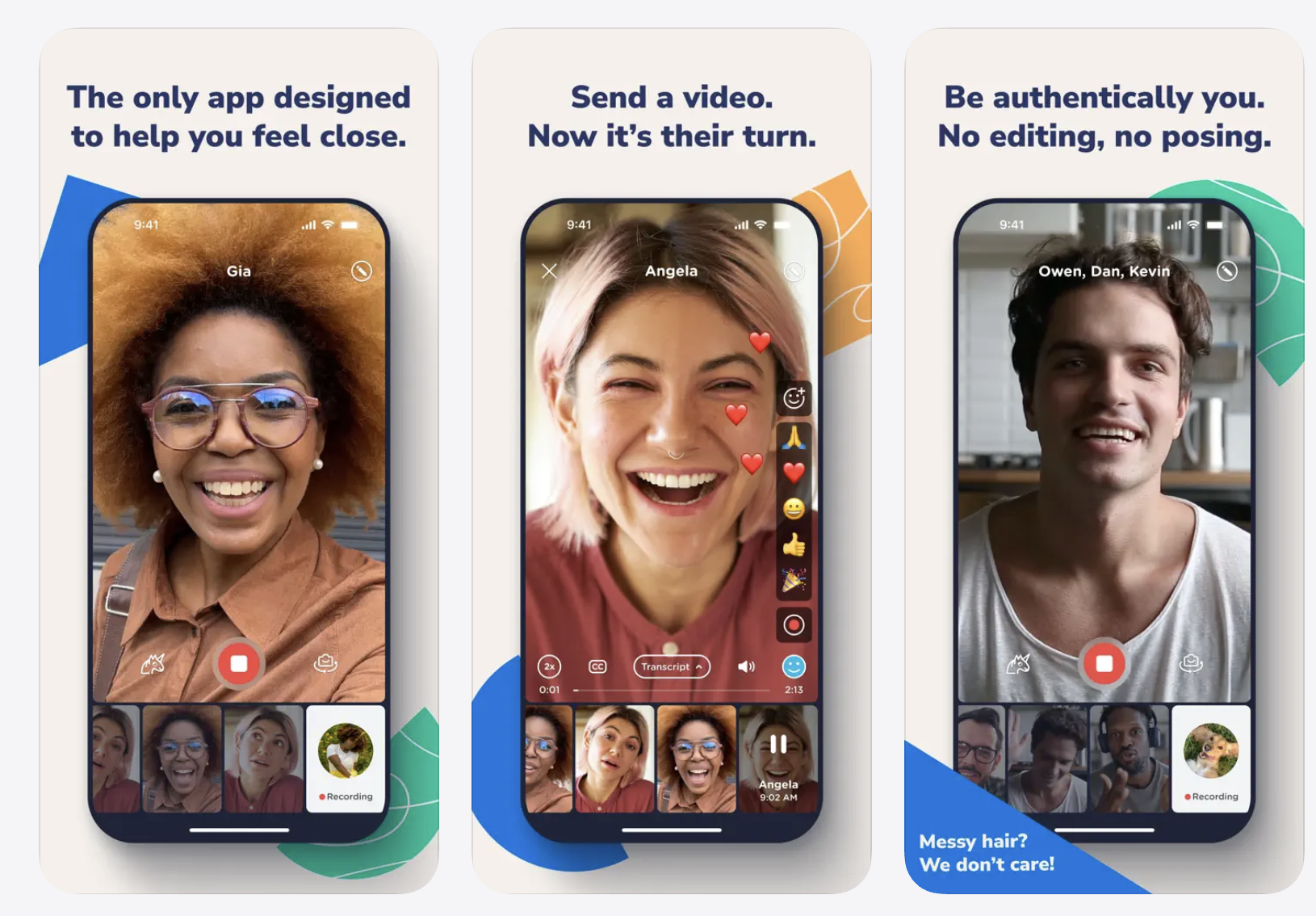
Best for: visual, async communication with family and friends.
Marco Polo lets you send short video messages — more expressive than texts, and often more accessible than voice notes. Download the Marco Polo app on iOS or Android.
12. Shazam — Song ID + Lyrics
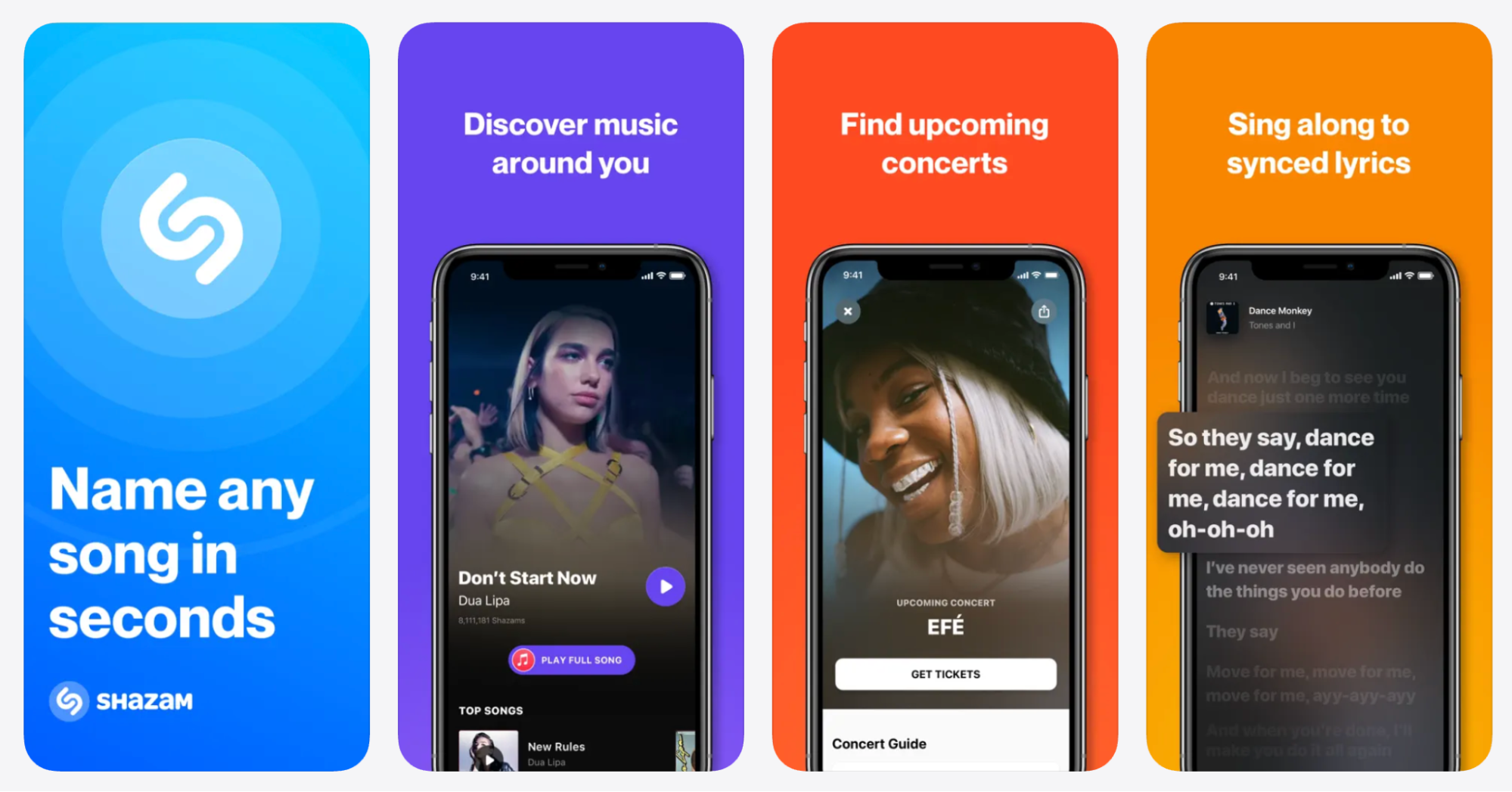
Best for: parties, cafes, and any setting where you want to know what's playing.
Shazam identifies any song in seconds and displays synced lyrics so you can follow along in real time. Download Shazam for iOS or Android.
13. Sound Amplifier — Audio Clarity Booster
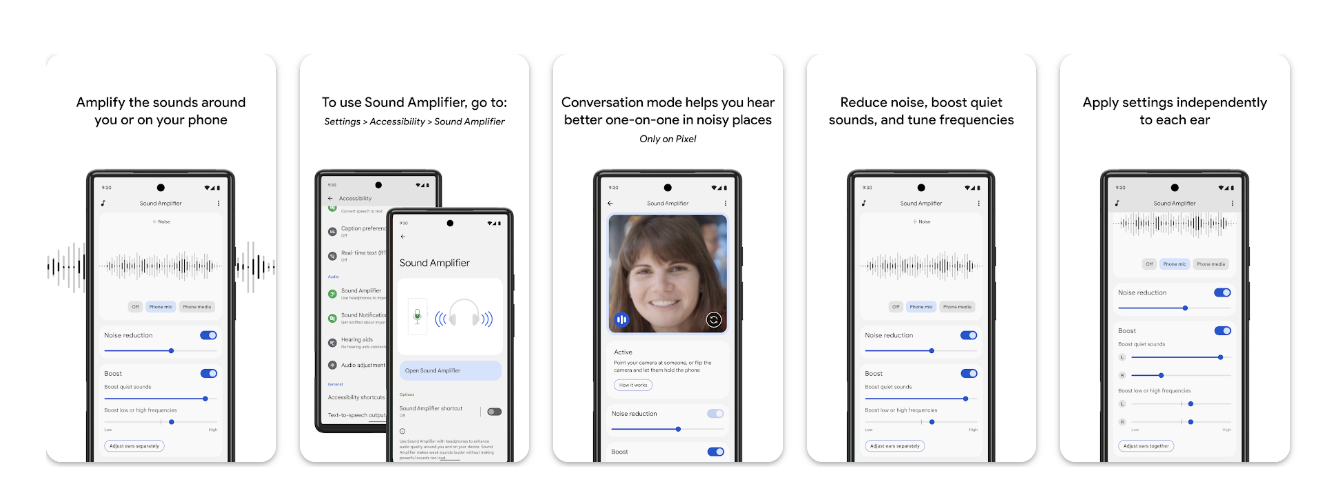
Best for: boosting speech clarity in quiet or moderate environments.
Sound Amplifier (Android) and Live Listen / Headphone Accommodations (iOS) enhance nearby audio through earbuds. Results depend on the environment and hardware. Download the Sound Amplifier app for iOS or Android.
Honorable Mentions
WhatsApp — Accessible Global Messaging

WhatsApp handles text, video messages, and group chats across countries — no SMS limits. Download WhatsApp for iOS or Android.
Google Maps — Visual Navigation

Google Maps gives visual, written turn-by-turn directions and real-time transit info, so you can navigate without relying on voice prompts. Download Google Maps for iOS or Android.
How to Pick the Right App
- Phone calls are your barrier → Nagish
- In-person conversations are your barrier → Nagish Live Transcribe + Sound Notifications
- Work meetings are your barrier → Otter.ai + Boostlingo
- Social settings are your barrier → Nagish Live Transcribe + Marco Polo + Shazam
- Waking up is your barrier → Deaf Wake + phone LED Flash for Alerts
Before downloading anything new, check your phone's built-in accessibility settings. Many of the most useful features are already on your device.
Don't Forget Your Phone's Built-In Features
iPhone (Settings → Accessibility)
- Sound Recognition — alerts for alarms, doorbells, knocking, baby crying, running water, and more
- Live Captions — system-wide captions for any app, including FaceTime
- Live Listen — use AirPods as a remote mic in noisy settings
- LED Flash for Alerts — visual alerts for calls and notifications
- Type to Siri — type instead of speaking
- Mono Audio and Audio Balance — helpful for single-sided hearing loss
Android (Settings → Accessibility)
- Live Transcribe — over 1 billion downloads, developed with input from Gallaudet University
- Live Caption — captions any audio playing on your device, even video and podcasts
- Sound Notifications — environmental sound alerts
- Hearing Aid Compatibility — stream audio directly to compatible hearing aids
- RTT / TTY — real-time text during calls
What's Changed in 2026
- On-device speech processing is now default on flagship phones — faster and more private
- Live captions are available in more apps, including video calls and games
- Bluetooth LE Audio support is widespread for direct-to-hearing-aid streaming
- Live announcement captioning is showing up on transit, in cars, and at events
Conclusion
There isn’t one “perfect” app for every Deaf or hard of hearing person, accessibility needs vary based on environment, communication style, and daily routine.
That said, many people prefer not to switch between multiple tools throughout the day. In that case, choosing an app that supports both everyday calling and real-time communication access can make things feel simpler and more consistent.
If phone calls are a frequent communication barrier, Nagish offers real-time captions for calls and includes additional features like call history, transcripts, and privacy-focused design, making it a helpful option for many Deaf and hard of hearing users.
Best Apps for Deaf and Hard of Hearing - FAQs
What is the best app for Deaf and hard of hearing people in 2026?
The best app depends on how you communicate most often. Many people prioritize apps that offer real-time captions for phone calls, in-person conversations, and everyday communication, with strong privacy protections and easy setup.
Are there free apps for Deaf and hard of hearing users?
Yes. Some accessibility apps are available for free or through approved programs such as FCC-certified apps like Nagish, making real-time captions accessible without monthly fees. Free options are especially helpful for people who rely on captions daily.
How accurate are live captioning and transcription apps?
Accuracy has improved a lot in recent years, but it can still vary based on background noise, speaker clarity, accents, and internet connection. These tools are designed to support communication, not replace interpreters in every situation.
Do captioning apps work in real time?
Yes. Most modern captioning apps provide real-time text during phone calls or conversations using AI-powered speech recognition, with minimal delay.
Do I need internet access to use captioning apps?
Most real-time captioning and transcription features work best with a stable internet connection, especially when AI processing is involved.
Are captioned calls private?
Privacy depends on the app. Some accessibility-focused apps are built to keep conversations private and are not used for advertising or data tracking. For example, Nagish is built with privacy at its core, guaranteeing 100% private conversations and transcripts. Always review the app’s privacy policy before use.
Can I keep my phone number when using a captioned calling app?
In many cases, yes. Some captioned calling solutions like Nagish allow users to keep their existing phone number, making communication easier and more seamless.
Can one app handle both calls and in-person conversations?
Some apps are designed to support both phone calls and real-time transcription for face-to-face conversations, which can simplify daily communication and reduce the need to switch between multiple tools. For example, Nagish offers Live Transcribe as a free service to its users.


Matt Sherman is the Head of Community at Nagish, where he serves as a bridge between the company and its community, working to identify accessibility needs and break down communication barriers. He leads conferences, partnerships, strategic initiatives, and advocacy efforts, while also nurturing Nagish’s online and offline communities to keep them thriving and growing every day. Outside of work, Matt is an avid outdoorsman who enjoys fishing and exploring the serenity of Minnesota’s land of 10,000 lakes.