Deaf History Month: From Exclusion to Access – and the Work Still Ahead
In this blog post, some of our employees reflect on Deaf History Month — a time to honor how far we've come and how far we still need to go.

Uncovering What Deaf History Month is Really About
Every April, we look back at the journey of the deaf and hard of hearing community and recognize how far we’ve come.
On the surface, it might look like a history lesson. When we go deeper, it’s a reminder of what collective advocacy can accomplish – and an honest conversation about how far we still have to go.
Part of that conversation has to include something we don’t always name directly: assumptions.
The ones made about what deaf and hard of hearing people need. The ones made about what they don’t. The ones that have quietly entrenched the quality of deaf education, workplaces, and policy for generations – often without anyone stopping to actually ask, or including the right people from the beginning.
A History Built on Exclusion & Assumptions
It’s hard to talk about Deaf History Month without sitting with an uncomfortable truth: for most of history, people with hearing loss were systematically excluded from communication and information. From education. From employment. From public life. From the basic right to communicate on equal terms.
But here’s what often gets left out of that story: the exclusion wasn’t always driven by indifference. Much of it was driven by assumptions.
A brief historical example: in the late 19th century, oralism – the educational philosophy that deaf children should learn to speak and lipread rather than use sign language – became dominant across the United States and Europe. The Milan Conference of 1880 effectively banned sign language from deaf education for decades. The decision-makers were almost entirely hearing – of the 164 delegates present, as few as one to three were deaf – and they believed, genuinely, that assimilation was access. That erasing difference was helping.
Children were placed in schools stripped of their most natural language. Deaf adults were turned away from jobs based on assumptions, not abilities. Public institutions operated as if deaf and hard of hearing people simply weren’t part of the equation. They didn’t ask. They decided.
We now know that was wrong - not just morally, but linguistically. Modern research has debunked the oralist model entirely, with findings consistently showing that bilingualism, using sign language alongside spoken or written language, provides the strongest foundation for language acquisition, literacy, and cognitive development in deaf and hard of hearing children.
The field has shifted accordingly. But the gap between what the research shows and what communities actually experienced took generations to close - and in many places, it still hasn’t.

What Changed: Advocacy, Community, and Refusing to Be Defined by Others
What shifted wasn’t just policy. It was people pushing back against the assumption that they needed to be spoken for.
Communities organized. Advocates, educators, and leaders demanded a seat at the table on decision making power over their own needs and what actually worked for them.
Early schools like the American School for the Deaf and Gallaudet University created spaces where deaf identity, language, and leadership could take root on their own terms.
The Deaf President Now (DPN) movement of 1988 says it all. When Gallaudet University – the world’s only university designed for deaf and hard of hearing students – appointed a hearing president with no ASL, no background in deaf education, and no prior connection to the Deaf community, students shut the campus down for days. Their demand was simple: stop deciding for us. Within a week, I. King Jordan became the university’s first deaf president.
That moment didn’t just change one school. It changed the conversation about who gets to define access, inclusion, and leadership for the community.
Over time, that advocacy led to real structural change everywhere. The Americans with Disabilities Act of 1990. The Individuals with Disabilities Education Act. 21st Century Communications and Video Accessibility Act (CVAA). Protections that made access – in schools, in the workplace, in public spaces - a legal right, not a favor.
Technology caught up, too. Captioning moved from a rarity to a standardized expectation. Relay services gave way to video relay and real-time AI captioning. Assistive tools became more widely available, more accurate, more integrated into everyday life.
None of it happened on its own. It happened because deaf and hard of hearing people refused to let assumptions determine what their lives could look like. And it happened because people listened to what the community was asking for.
Some Deaf and Hard of Hearing Perspectives
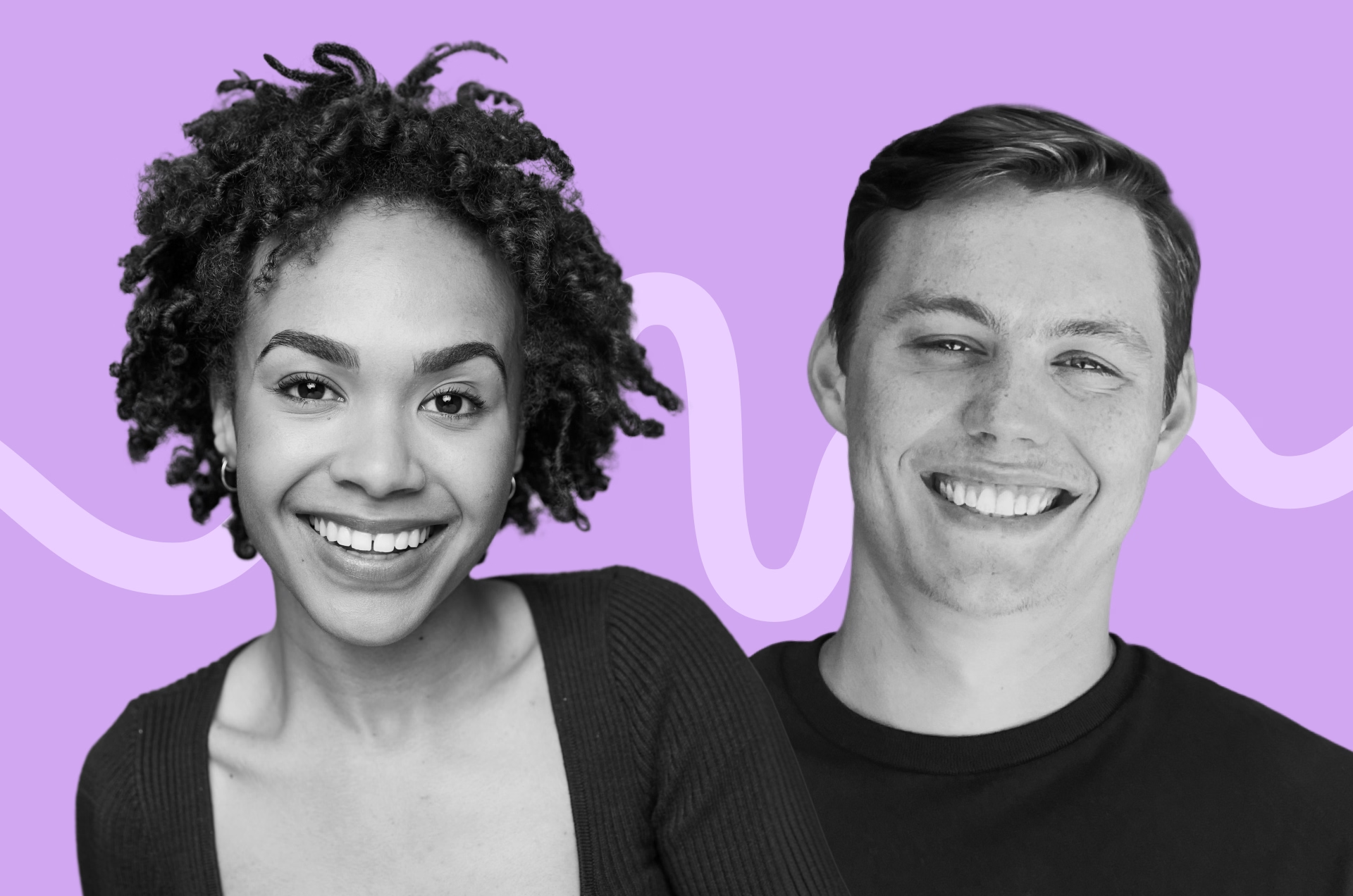
For Matt Sherman, Nagish’s Head of Community, Deaf History Month is about celebrating progress without pretending the work is done.
As a deaf person, he sees the biggest ongoing barrier as unpredictability. Never knowing if communication will be accessible in a given moment – a phone call, a meeting, a live announcement, a conversation that starts without warning. Before tools like Nagish, navigating that meant relying on intermediaries, planning ahead, or avoiding situations altogether. And even when workarounds existed, they were rarely seamless.
Growing up, Matt experienced a lot of technological shifts – from having nothing portable, nothing you could bring into a moment, to eventually having something in your pocket that could bridge the gap in real time.
He also sees that evolution as closely mirroring the larger arc of Deaf history itself. Every generation pushed and found workarounds. And every generation pushed for something better for the next one.
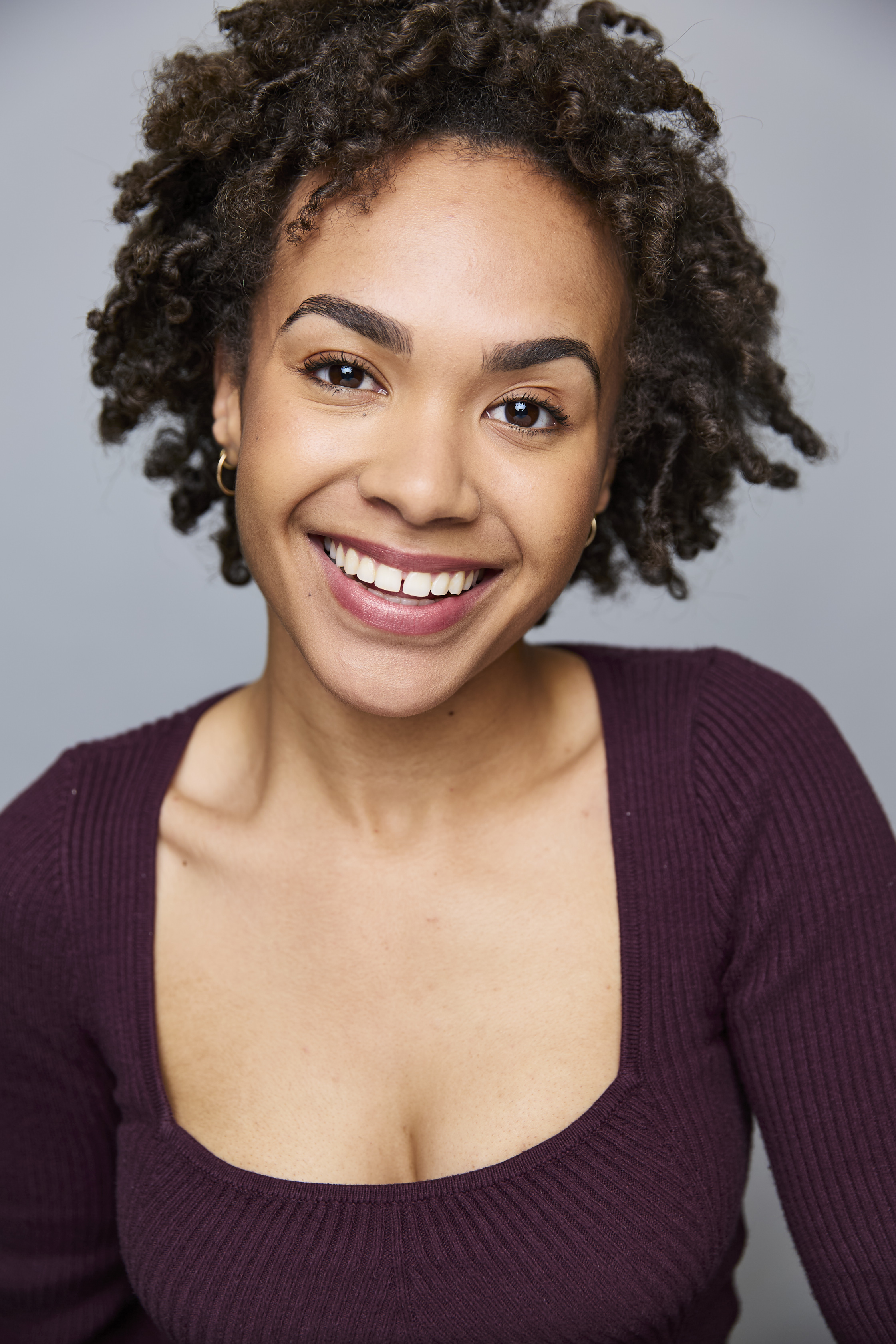
For Kaia Fitzgerald, Nagish’s Social Media Manager, Deaf History Month brings up assumptions around accessibility - and how Deaf pop culture history shaped who she became.
As a hard of hearing person, Kaia often felt that her accessibility needs were assumed rather than understood. After completing speech therapy as a child, she moved through the world with an outward appearance that led many to believe she was hearing. Those assumptions made it harder to advocate for herself and create an accessible environment.
Visible clues helped – her bright pink hearing aids and the Anderson pen she wore around her neck – but the hard of hearing identity is complex, and growing up, it felt largely underrepresented, especially in the pop culture she loved.
That changed when her family was watching ABC and Switched at Birth came on. It was the first time Kaia had ever seen her experience represented on screen. More than that, it was the first time she saw a deaf or hard of hearing person advocate for themselves so boldly in a world that didn’t understand them. That moment stayed with her.
She began asking – insisting – to sit at the front of the classroom. She wore her hearing aids and Anderson pen with pride. She used closed captioning devices when teachers turned away and lip-reading was no longer an option. She stopped shrinking herself to fit others’ assumptions.
That show, now nearly 15 years old, didn’t just give confidence to Kaia – it empowered thousands of deaf and hard of hearing children across the country. It made history by placing deaf and hard of hearing actors on screen in a way that had rarely been done before. For many, it was the first time they truly saw themselves – not as an afterthought, but as fully realized people.
How Nagish Thinks about Community as the Compass
Deaf history is a reminder of what happens when something is built without the people who will actually benefit from or use it practically. The Milan Conference didn’t fail because the people in that room didn’t care. It failed because the people who needed to be in the room weren’t there.
That mindset shapes how we approach building at Nagish.
Our feedback loops with our key audiences are how we understand whether what we’re building is actually working – and for whom. Because access needs vary. Deaf and hard of hearing experiences vary. The assumption that one tool, one setting, or one approach will work for everyone is exactly the kind of thinking that created the gaps the community has been fighting to close for over a century.
So we ask. We listen. We adjust. And we come back and ask again. That’s what it means to be in the lineage of advocacy – not just inspired by it.
The story of deaf and hard of hearing access isn’t finished. It’s always an ongoing cycle, always being shaped for the next generation.
Deaf History Month is a time to honor the advocates who came before us – the ones who refused to be defined by what others decided they were. It’s also a call to carry that work forward.


Kaia Fitzgerald is the Social Media and Influencer Manager at Nagish, where she leads creative strategies that connect, engage, and inspire diverse audiences. She is passionate about accessibility, inclusive storytelling, and building meaningful collaborations with creators. Outside of her work in digital media, Kaia is also a professional theatre actress, performing on stages across the country.
Matt Sherman is the Head of Community at Nagish, where he serves as a bridge between the company and its community, working to identify accessibility needs and break down communication barriers. He leads conferences, partnerships, strategic initiatives, and advocacy efforts, while also nurturing Nagish’s online and offline communities to keep them thriving and growing every day. Outside of work, Matt is an avid outdoorsman who enjoys fishing and exploring the serenity of Minnesota’s land of 10,000 lakes.